The Rabaul Mission
A proof-of-concept deployment to one of the world's most concentrated WWII shipwreck sites — and one of its most active volcanic calderas.
The Caldera Graveyard
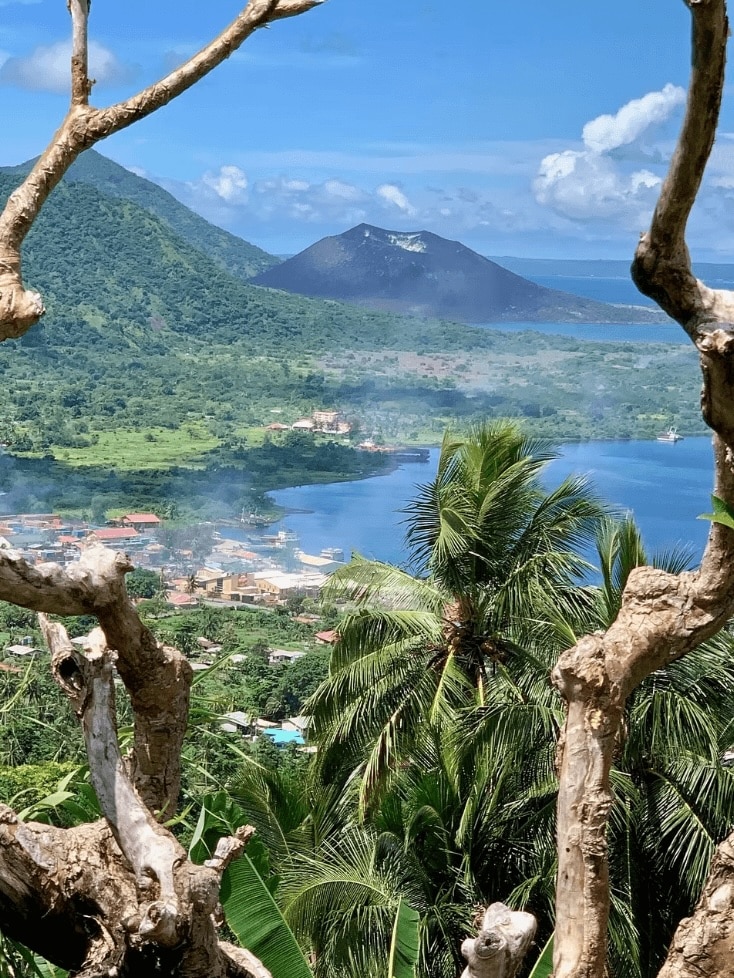
Rabaul Harbour, on the eastern end of New Britain, is the flooded remains of an ancient volcanic caldera surrounded by six volcanoes. During the Second World War it served as the primary Japanese military and naval base in the South Pacific.
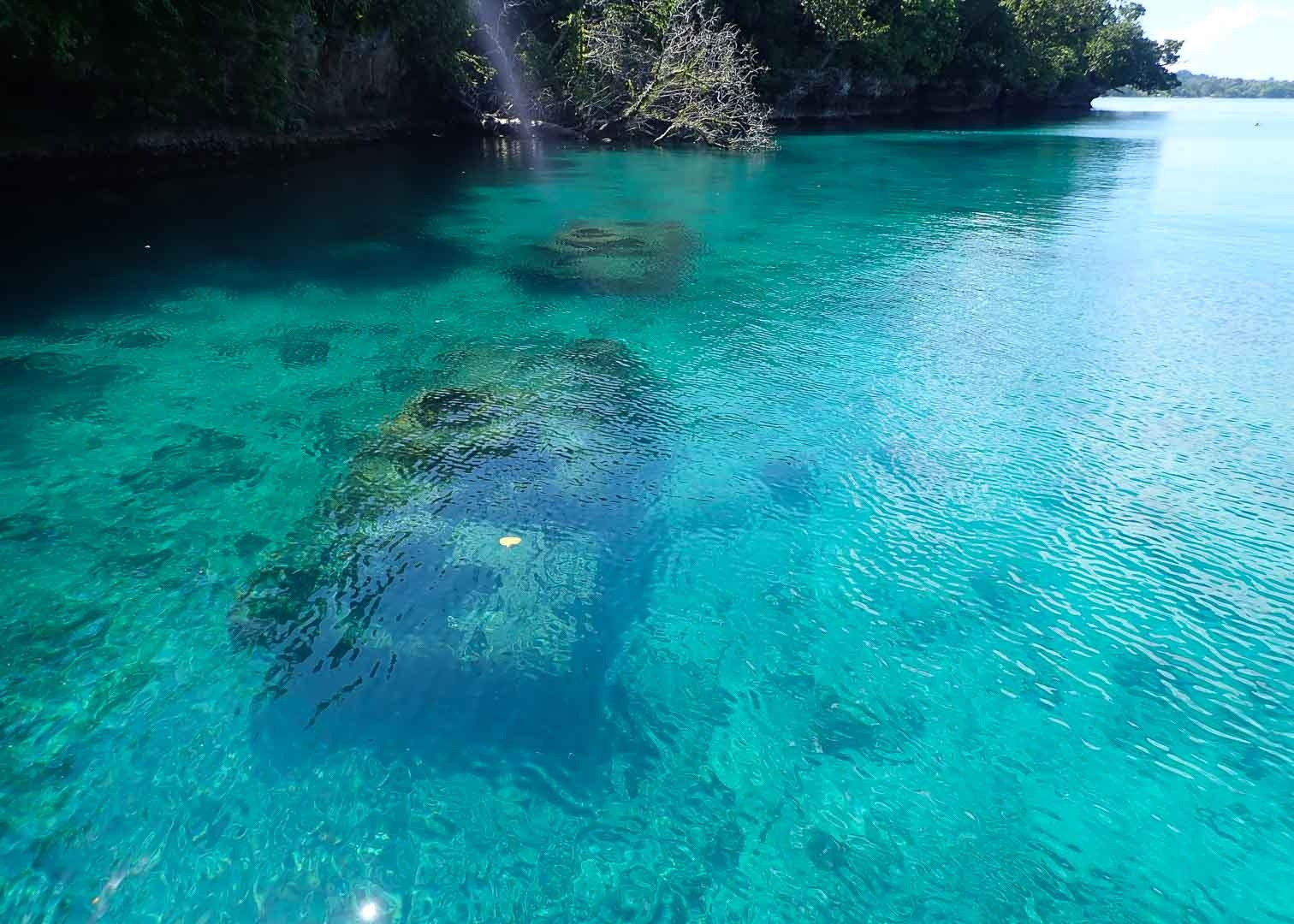
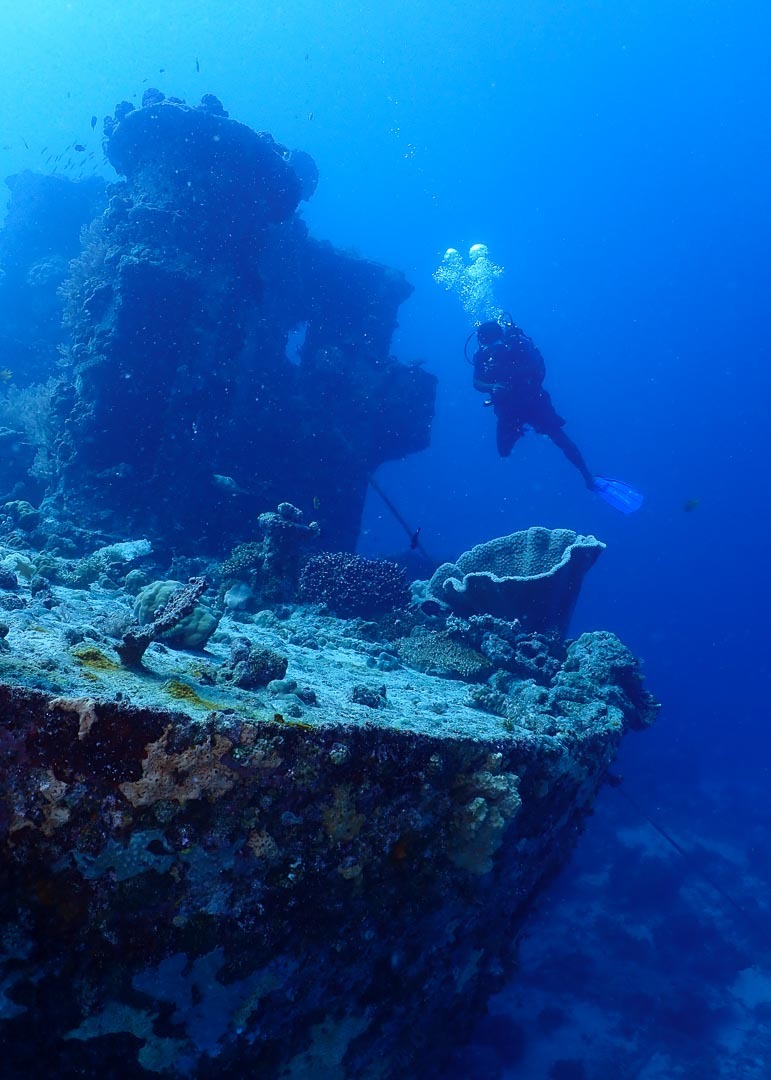
The battle for Rabaul left the harbour floor scattered with more than seventy sunken vessels and aircraft — a graveyard of historic significance that is also, eighty years on, one of the most concentrated potentially polluting wreck sites in the world.
Sunken vessels & aircraft
Surrounding volcanoes
Years on the seabed
Active port redevelopment
Why Now
Three factors converge to make Rabaul a priority site for Project Guardian.
The wrecks are deteriorating
Eighty years of corrosion have left the vessels structurally compromised. Each year, the probability of catastrophic hull failure increases.
The seismic environment is active
Rabaul sits on the Pacific Ring of Fire. Recent monitoring of regional seismic activity, drawn from authoritative sources including the USGS Earthquake Catalog, shows a marked increase in tremors and active volcanic events across the broader region. Each event places additional structural stress on the wrecks below.
The Port of Rabaul is being redeveloped
A blended EU / AFD / EIB financing package is supporting the rehabilitation of the port, including dredging that will be subject to environmental impact assessment requirements. The wrecks and the unexploded ordnance they may contain are directly relevant to that assessment.
These factors together mean that Rabaul is not a hypothetical or distant priority. It is a site where pre-emptive intervention can demonstrably support an active redevelopment programme, while making safe a concentrated and ageing pollution risk.
The Expedition
Project Guardian will deploy to Rabaul to conduct an exploratory reconnaissance and environmental risk assessment of the wreck portfolio. The expedition will combine WERP Phase 1 strategic prioritisation, drawing on historical records and geospatial analysis, with WERP Phase 2 in-water validation using high-resolution sonar, photogrammetry, and ROV inspection of priority targets.
The work is conducted as a survey and characterisation mission. The wreck structures and the remains they hold are preserved in situ. Where consent is obtained from the relevant coastal state and flag state, targeted hazard mitigation (for example, the safe extraction of bunker oil from compromised hulls) may be considered as a follow-on phase, in collaboration with regional marine salvage and project specialists.
The expedition is designed to produce three outputs:
- 1. A risk-ranked ledger of the Rabaul wreck portfolio, suitable for use by PNG Ports Corporation, the EU Delegation, and the development banks supporting the port redevelopment.
- 2. High-resolution digital twin models of priority wrecks for ongoing monitoring and future intervention planning.
- 3. A proactive blueprint for further work, including integration into the Guardian Sentry continuous monitoring capability.
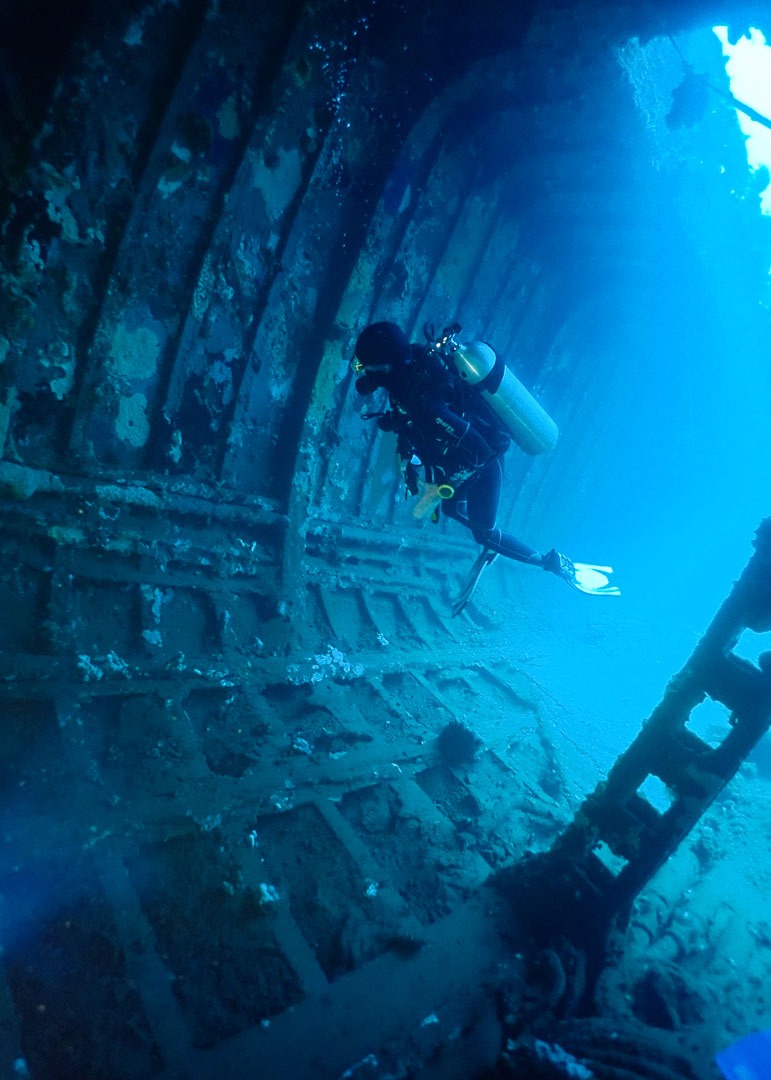
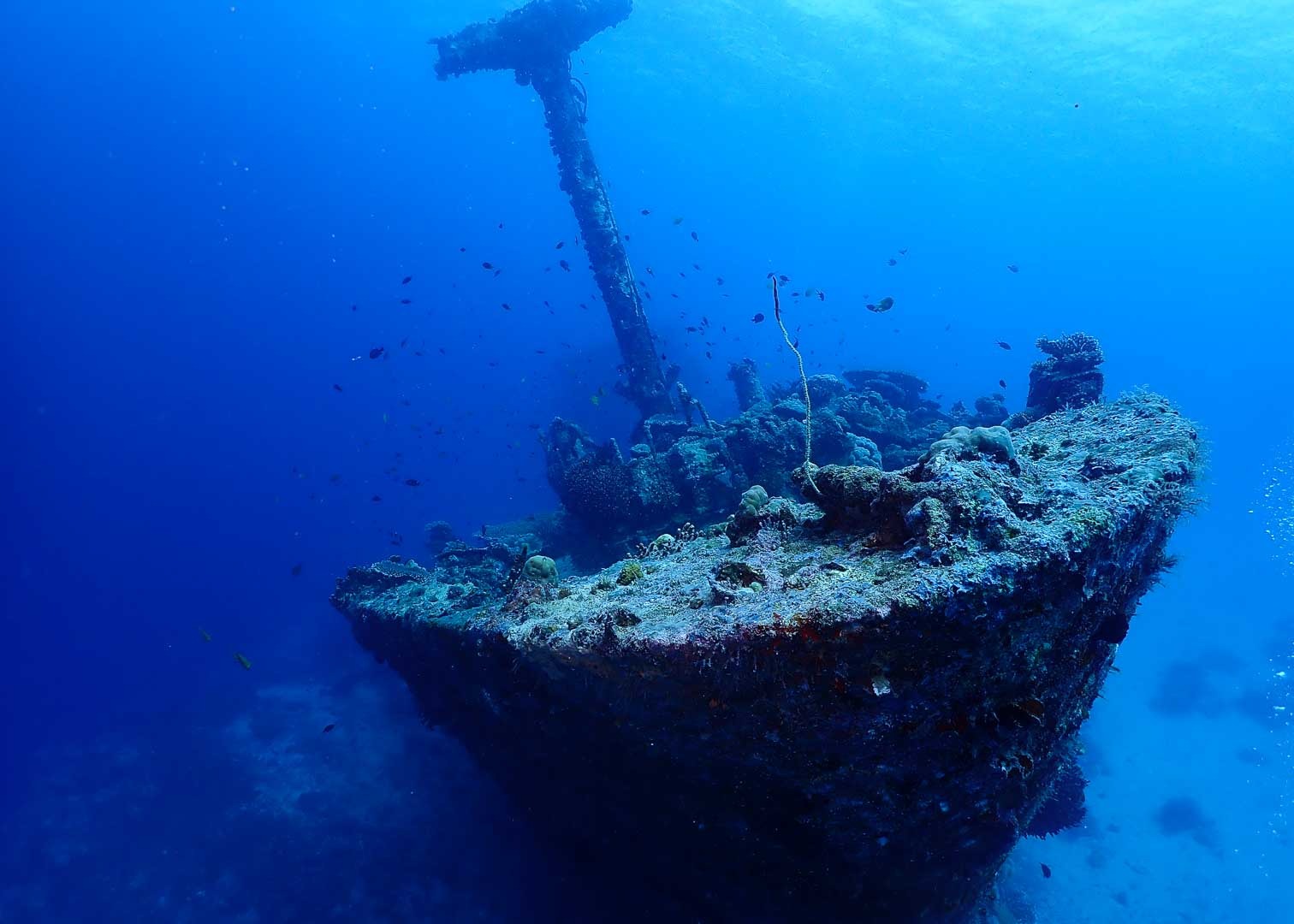
The Ghost Fleet of Rabaul
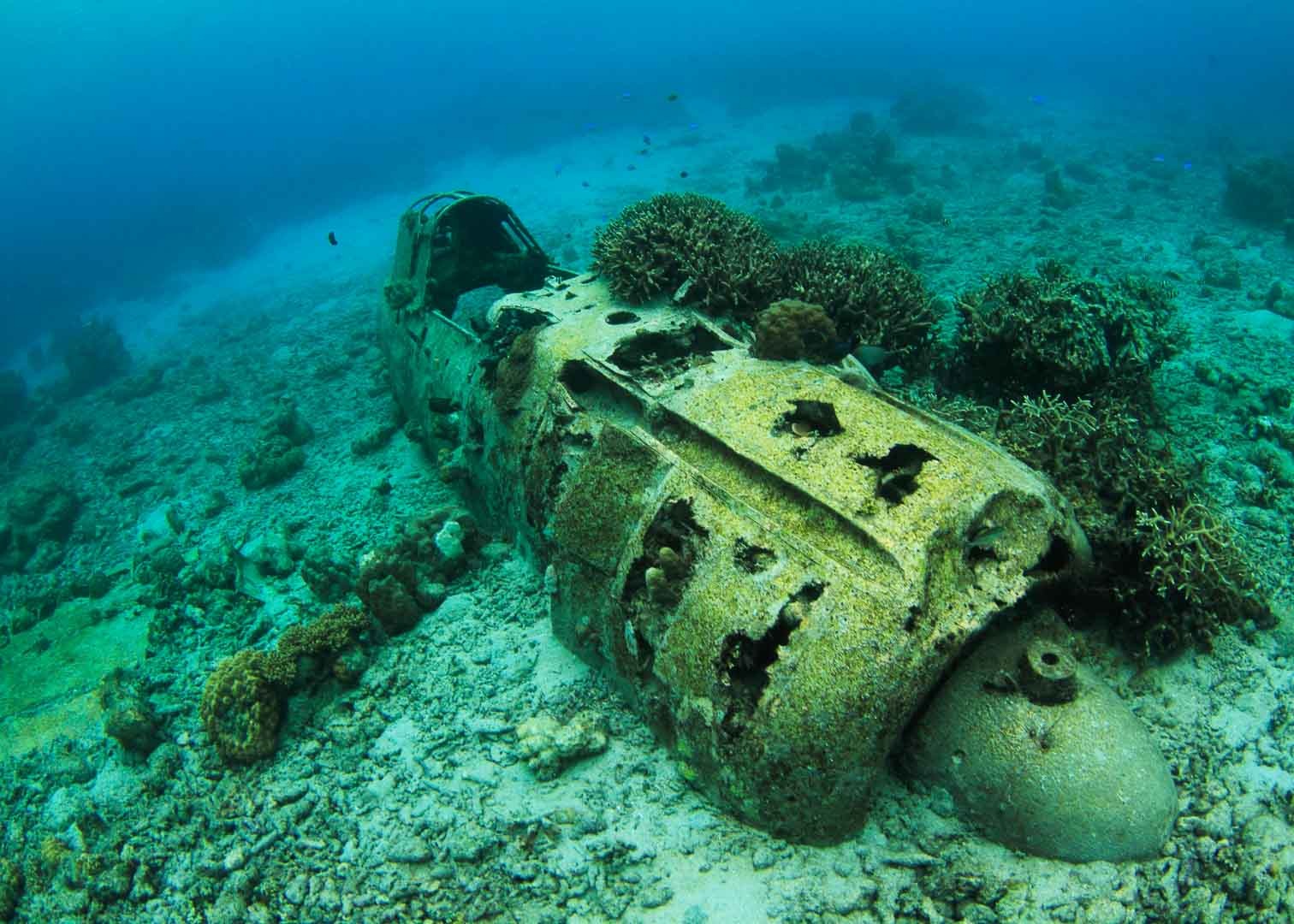
A sample of the wreck portfolio — from aircraft on the reef shelf to fuel-laden hulls in deeper water.
Who Is Involved
Project Guardian core team and Deeptrek operational capability, as described elsewhere on the site. For Rabaul specifically:
Equipment
High-resolution survey suite
Subsea laser and photogrammetric imaging, professional-grade remotely operated vehicles, and unmanned surface vessel capability via Deeptrek. Specific technology partners named on request to authorised reviewers.
Production crew
B-roll capture
Production crew on site to capture B-roll footage for a potential documentary, drawing on credentialled relationships in the sector. A documentary commission is not yet confirmed.
Regional remediation
Salvage & project specialists
A regional marine salvage and project specialist partner who may be brought in for follow-on remediation work where required and appropriate.
Sovereign engagement
PNG Ports Corporation, EU Delegation in Port Moresby, JICA, Japanese Embassy, and other relevant authorities
Engagement in progress. Project Guardian works only with the consent of the relevant coastal state and, where appropriate, the flag state. Wreck structures and the remains they hold are preserved in situ.
Status & Timeline
Phased status of the expedition. Detailed dates published once PNG sovereign engagement supports it.
-
Pre-deployment engagement Current
Sovereign and institutional outreach. Consent frameworks and stakeholder briefings.
-
Equipment mobilisation
Unmanned surface vessel capability, ROV systems, and imaging suite prepared for in-country deployment.
-
In-country deployment
WERP Phase 1 prioritisation followed by Phase 2 in-water validation of priority targets.
-
Post-expedition analysis & reporting
Risk-ranked ledger, digital twin models, blueprint for ongoing Guardian Sentry monitoring.
-
Documentary follow-on If commissioned
B-roll captured during the expedition is available for a documentary should a commission be secured.
Take Part in the Rabaul Mission
Two ways to be part of the work in Rabaul.
A pre-emptive response can be respectful in ways that an emergency response cannot afford to be.
For Sovereign & Institutional Audiences
Engage with us
Coastal state authorities, development banks, flag states, and insurers: discuss deployment, ESIA support, or follow-on monitoring under appropriate consent and contractual arrangements.
Engage with usFor Sponsors & Foundations
Support the Mission
Support the mission through targeted funding, equipment sponsorship, or co-branded operational programmes.
Support the MissionGeneral enquiries: project-guardian@deeptrek.net